Transporte de Bio Vegetais 2025 – Como as cadeias de frio modernas mantêm os produtos orgânicos frescos e sustentáveis
Atualizado: dezembro 23, 2025
Manter os vegetais orgânicos crocantes e nutritivos, do campo à mesa, é mais do que apenas “manter as coisas frias”. O transporte adequado de vegetais biológicos envolve faixas precisas de temperatura, Controle de umidade, e ferramentas digitais avançadas para evitar a deterioração e reduzir as emissões.
Em 2025 o mercado da cadeia de frio alimentar vale cerca de US$ 65,8 bilhões e alcance global da logística da cadeia de frio US$ 436 bilhões. Ainda assim, aproximadamente 526 milhões de toneladas de comida - cerca de 12 % da produção global – ainda são perdidos anualmente devido a cadeias de frio inadequadas. Este guia mostra como a moderna logística biovegetal pode reverter essa tendência.
Este artigo responderá:
Por que é cadeia de frio crucial para vegetais biológicos? – Entenda como faixas adequadas de temperatura e umidade evitam a deterioração e preservam os nutrientes.
O que impulsiona o custo do transporte de vegetais biológicos? – Saiba por que a certificação, cadeias de abastecimento fragmentadas e infraestrutura inadequada tornam os produtos orgânicos caros.
Como funcionam as faixas de temperatura e os padrões de qualidade? – Descubra configurações e padrões práticos de pista que evitam a desidratação, condensação e hematomas.
Quais tecnologias reduzem desperdícios e custos? – Explorar IA, blockchain, Soluções de IoT e energias renováveis que podem reduzir os custos logísticos em mais de 30 %.
Quais são as últimas 2025 tendências? – Veja como as novas regulamentações, protocolos de monitoramento digital e iniciativas de sustentabilidade estão remodelando as cadeias de frio.
Como você pode otimizar sua própria cadeia de frio? – Obtenha dicas práticas para agricultores, distribuidores e varejistas, além de uma ferramenta útil de autoavaliação.
Por que a cadeia de frio é importante para vegetais biológicos
Importância do controle de temperatura e umidade
Os vegetais biológicos são sistemas vivos que “respiram”. Sem refrigeração, reações enzimáticas e crescimento microbiano aceleram, causando murcha e perda de nutrientes. Estudos mostram que cerca 13 % de todos os alimentos produzidos globalmente são perdidos devido à insuficiência de cadeias de frio. Os pequenos agricultores da África Subsaariana perdem 50 % das colheitas de hortaliças por falta de refrigeração.
Ao contrário das culturas convencionais, os produtos orgânicos devem permanecer livres de conservantes sintéticos, então o controle de temperatura e umidade é sua única defesa. Folhas verdes e ervas requerem 0–4ºC com alta umidade para evitar murchamento, enquanto vegetais tropicais como tomates e pepinos devem ser mantidos em 10–13ºC para evitar lesões por frio. As diretrizes da FAO confirmam que alguns produtos toleram temperaturas próximas de 0 °C, enquanto outros não podem tolerar exposição abaixo 10 °C.
Prevenir o desperdício alimentar e as emissões de gases com efeito de estufa
Perda e desperdício de alimentos são responsáveis por 8–10 % das emissões globais de gases com efeito de estufa. Sem refrigeração adequada, até metade dos vegetais orgânicos são descartados antes de chegarem aos consumidores. Melhorar a logística de biovegetais reduz o desperdício e ajuda a alimentar mais de 1 bilhão pessoas que sofrem de insegurança alimentar. Também reduz a contribuição da cadeia de frio para as alterações climáticas: operações de refrigeração respondem por 4 % das emissões globais de gases com efeito de estufa e 17 % do uso mundial de eletricidade.
Regulamentos de conformidade e segurança
As leis de segurança alimentar exigem cada vez mais a rastreabilidade e o controle de temperatura. Nos Estados Unidos, o Lei de Modernização da Segurança Alimentar (FSMA) Regra 204 requer rastreabilidade de 24 horas para alimentos de alto risco. Iniciativas europeias como a Mude para –15 °C a coligação defende o aumento das temperaturas do congelador de –18 °C para –15 °C para poupar 10–15 % de energia enquanto preserva os alimentos. O Embalagem da UE & Diretiva Resíduos empurra as empresas para embalagens recicláveis e reutilizáveis. Juntas, essas políticas tornam o transporte disciplinado de vegetais biológicos uma necessidade, não é um luxo.
Direcionadores de custos e estratégias de otimização para transporte de vegetais biológicos
Por que os produtos orgânicos custam mais
A certificação orgânica exige testes de solo, documentação e auditorias de grupo. Esses custos de conformidade tornam os alimentos orgânicos até quatro vezes mais caro do que os produtos convencionais. A distribuição é frequentemente fragmentada, adicionando camadas extras de transporte e manuseio, e infraestrutura inadequada da cadeia de frio leva a até 40 % deterioração de produtos orgânicos perecíveis. Uma pesquisa na Índia descobriu que 62 % das famílias consideram os alimentos orgânicos inacessíveis porque os preços são 30–300 % superior às alternativas convencionais. Em algumas cidades, os vegetais orgânicos custam quatro a cinco vezes mais.
A tabela abaixo resume os principais fatores de custo para o transporte de vegetais biológicos e por que eles são importantes para você.
| Gerador de custos | Evidência | Impacto em vegetais biológicos | O que isso significa para você |
| Certificação & Conformidade | Taxas de certificação orgânica e manutenção de registros podem tornar a produção até quatro vezes mais cara | Aumenta o custo por unidade e desencoraja os pequenos agricultores | Compartilhar certificação por meio de cooperativas pode reduzir despesas gerais |
| Cadeias de suprimentos fragmentadas | Os produtos orgânicos muitas vezes percorrem distâncias maiores através de múltiplos intermediários | Aumenta o tempo de transporte e o risco de deterioração | Investir em centros de agregação reduz camadas de movimentação |
| Capacidade limitada da cadeia de frio | A má refrigeração causa até 40 % de produtos orgânicos para estragar | Resíduos obrigam produtores a aumentar preços | Expansão do armazenamento frigorífico reduz perdas e estabiliza preços |
| Altos custos de energia e equipamentos | Contêineres isolados e unidades de refrigeração consomem muita energia e são caros | Aumenta as despesas operacionais | Sistemas energeticamente eficientes e energia renovável reduzem custos |
| Rotas mais longas | Os vegetais biológicos viajam frequentemente para nichos de mercados urbanos | Adiciona consumo de combustível e risco de variações de temperatura | A otimização de rotas e o micro atendimento encurtam distâncias |
Como a eficiência da cadeia de frio beneficia agricultores e consumidores
Um sistema de transporte de vegetais biológicos bem projetado é uma vantagem para todos. Para agricultores, deterioração reduzida significa que mais produtos chegam em condições vendáveis. Isto aumenta as receitas e permite que os agricultores reinvestam as poupanças em sementes melhores, irrigação inteligente e práticas sustentáveis. Para consumidores, a eficiência reduz os preços e garante a segurança alimentar: quando a oferta aumenta porque menos alimentos são perdidos, os preços no varejo tendem a cair. Cadeias de frio eficientes também geram confiança porque processos transparentes e qualidade consistente fazem com que as pessoas estejam dispostas a pagar preços justos por vegetais orgânicos frescos.
Soluções tecnológicas que reduzem custos
As tecnologias modernas permitem que os transportadores de vegetais biológicos reduzam custos e desperdícios:
Otimização de rotas com tecnologia de IA – Algoritmos de aprendizado de máquina analisam o tráfego, janelas meteorológicas e de entrega para planejar rotas eficientes. Um artigo de pesquisa usando k significa agrupamento e regressão de processo gaussiano reduziu os custos de logística de produtos congelados em 34.76 % e reduziu o desperdício de recursos 15.6 %. Estratégias semelhantes podem reduzir o consumo de combustível e a deterioração de vegetais orgânicos.
Blockchain para rastreabilidade – Registros digitais imutáveis documentam cada transferência na cadeia de suprimentos. Blockchain garante conformidade com requisitos de temperatura e simplifica recalls. Contratos inteligentes podem liberar pagamentos automaticamente quando as condições forem atendidas, reduzindo custos administrativos.
Sensores IoT e manutenção preditiva – Sensores inteligentes monitoram continuamente a temperatura, umidade e localização. Alertas em tempo real permitem ações corretivas imediatas e a manutenção preditiva evita falhas no equipamento. Painéis digitais integram esses dados para prever a demanda e otimizar o estoque.
Refrigeração movida a energia solar e contêineres leves – Câmaras frigoríficas solares e refrigeradores portáteis reduzem os custos de energia e apoiam os agricultores em regiões com eletricidade não confiável. Recipientes leves e isolados com sensores integrados reduzem o peso do transporte enquanto mantêm a temperatura.
Embalagens sustentáveis e sistemas energeticamente eficientes – Materiais de embalagem ecológicos atendem às expectativas do consumidor e reduzem o desperdício. Os sistemas de refrigeração com recuperação de energia e os refrigerantes com baixo potencial de aquecimento global podem reduzir os gastos com serviços públicos em mais de 40 %.
Construindo uma cadeia integrada de fornecimento de vegetais orgânicos
A transformação do transporte de vegetais biológicos requer reformas sistêmicas. Aqui estão estratégias comprovadas:
Estabelecer centros de agregação e cooperativas: agrupar produtos em centros regionais reduz as camadas de manuseio e compartilha custos de certificação e logística.
Promover modelos diretos do agricultor ao consumidor: mercados comunitários e serviços de assinatura podem reduzir os preços ao consumidor 15–20 % e aumentar os rendimentos dos agricultores 25–30 %.
Invista em infraestrutura de cadeia de frio: microcentros de atendimento próximos a áreas urbanas reduzem os tempos de entrega na última milha e preservam o frescor.
Use transporte de baixo carbono: veículos refrigerados elétricos ou movidos a energia solar e otimização de rotas reduzem o uso de combustível.
Adote práticas sustentáveis: sistemas de recuperação de energia, embalagens recicláveis e estratégias de redução de resíduos melhoram a sustentabilidade e reduzem custos.
Aproveite ferramentas digitais e colaboração: software integrado de cadeia de suprimentos fornece visibilidade de ponta a ponta, enquanto parcerias com fornecedores de logística e reguladores podem desbloquear subsídios e apoio.
Definindo padrões de qualidade e faixas de temperatura para vegetais biológicos
Falhas comuns e soluções rápidas
Os vegetais orgânicos falham de maneiras previsíveis. Desidratação causa folhas moles e perda de peso, geralmente devido à baixa umidade ou estágio quente. Condensação cria limo e mofo quando ocorrem oscilações de temperatura ou produtos quentes são selados em plástico. Hematomas resulta de manuseio brusco ou empilhamento excessivo.
Dicas práticas: pré-resfrie rapidamente após a colheita e mantenha o produto frio durante a embalagem; limitar a preparação quente a 15 minutos; manusear vegetais “como ovos” para evitar hematomas. Exemplos do mundo real mostram que a aplicação de uma regra de “proibição de preparação a quente” e a mudança para embalagens protetoras contra umidade podem reduzir drasticamente o encolhimento..
Elementos de um padrão de qualidade de vegetais biológicos
Um bom padrão de qualidade protege o frescor, integridade orgânica e prova de conformidade em todo o armazenamento, transporte e recebimento. Ele responde a cinco perguntas:
Que frio? Determine a temperatura correta para cada grupo de vegetais.
Quão úmido? Escolha embalagens ou microclimas que criem umidade adequada.
Como é tratado? Estabeleça limites para o tempo fora de controle, altura de empilhamento e tolerância à vibração.
Como verificado? Estabeleça verificações, registros e documentação fotográfica para manter a rastreabilidade.
O que acontece quando as coisas dão errado? Crie protocolos para atrasos e variações de temperatura.
O modelo de 4 camadas para integridade orgânica
Um modelo simples de quatro camadas pode ajudar as equipes a implementar padrões de qualidade rapidamente:
| Camada | O que você controla | O que você mede | Benefício prático |
| Frescura | Temperatura, umidade relativa, Horário de permanência | Temperatura da polpa, proxies de umidade, resultados de vida útil | Menos verduras murchas |
| Segurança | Saneamento, disciplina de manejo | Verificações de limpeza, notas de tempo de permanência | Menos eventos de descarte |
| Integridade orgânica | Segregação e prevenção de contaminação | Rótulos, barreiras e procedimentos operacionais padrão | Protege a alegação “bio” |
| Prova | Rastreabilidade e monitoramento | Códigos de lote, carimbos de data/hora do evento | Investigações mais rápidas e conformidade mais forte |
Agrupando vegetais de acordo com a forma como eles falham
É impraticável escrever procedimentos operacionais padrão separados para cada SKU. Em vez de, agrupar vegetais por categoria de risco e ajustar as prioridades de manejo de acordo:
| Grupo vegetal | Risco típico | Prioridade de tratamento | Implicação |
| Folhas verdes | Murcha e limo | Alta umidade, manuseio suave | Maior fator de redução |
| Ervas | Desidratação rápida e perda de aroma | Controle rígido de umidade | Protege produtos premium |
| Brássicas (brócolis, couve-flor) | Amarelecimento e desidratação | Frio e fluxo de ar estáveis | A vida útil cai rapidamente |
| Vegetais de raiz (batatas, cebola) | Secagem e raspagem | Amortecimento e temperatura estável | Perdas ocultas ainda custam caro |
| Vegetais frutíferos sensíveis ao frio (tomates, pepinos) | Lesão por frio se armazenado muito frio | Manter a ≥10 °C | O dano aparece mais tarde |
Dicas para evitar o caos da caixa mista: evite enviar perto de verduras congeladas com tomates sensíveis ao frio no mesmo compartimento; use rótulos simples (Folhas/ervas/brássicas/raízes/sensível ao frio) em contêineres; treinar a equipe para que batidas estáveis e corretas sejam “muito frias”.
Faixas de temperatura: o coração do transporte de vegetais biológicos
Uma configuração de temperatura não pode servir todos os vegetais. Faixas de temperatura tornar os padrões práticos agrupando produtos por temperaturas ideais.
| Faixa | Lógica típica de ponto de ajuste | O que pertence aqui | Maior risco |
| Pista A: Perto de congelar (0–2ºC) com alta UR | Projetado para folhas verdes e muitas brássicas | Desidratação se o controle de umidade for fraco | |
| Pista B: Sensível ao frio (≥10 °C) | Para tomates, pepinos e outros vegetais frutíferos | Lesão por frio se colocado na pista A | |
| Pista C: Compromisso de caixa mista | Usado quando vários SKUs precisam viajar juntos | Qualidade irregular entre produtos |
Os controles operacionais tornam as pistas reais: pré-resfrie antes de embalar, limitar o tempo de preparação, impor disciplina na porta e registrar quaisquer desvios. Uma ferramenta de decisão rápida: se sua carga incluir tomates ou pepinos, o percurso dura mais de duas horas ou você tem queixas frequentes de amolecimento ou manchas na cor, dividir pistas ou usar embalagens separadas.
Umidade: a alavanca escondida
O controle da umidade é tão importante quanto a temperatura. Muito seco causa murchamento; muito molhado leva ao lodo. As orientações de compatibilidade da FAO agrupam muitos vegetais em 0–2ºC armazenamento com umidade relativa muito alta. As diretrizes técnicas padrão recomendam 90–95 % umidade relativa para vegetais frescos e 95–100 % para folhas verdes e ervas.
Uma estratégia simples de umidade: use forros e corrija a densidade da embalagem para reduzir o murchamento; evite oscilações de temperatura para evitar lodo; drene e mantenha os pacotes na posição vertical para evitar acúmulo. Fique atento a três gatilhos de condensação: selando produto quente em plástico, mover produtos de um estágio quente para uma câmara fria sem estabilização e aberturas frequentes de portas.
Inovações tecnológicas e práticas sustentáveis
Inteligência artificial e análise preditiva
A IA está revolucionando o transporte de vegetais biológicos. A análise preditiva otimiza rotas, prever a demanda e programar a manutenção, o que pode reduzir o tempo de inatividade em até 50 % e reduzir custos de reparo 10–20 %. Em armazéns, Plataformas de IA prevêem falhas de equipamentos e melhoram o gerenciamento de estoque. Sistemas de armazenamento automatizados melhoram a segurança e reduzem os custos de mão de obra.
Blockchain para rastreabilidade e contratos inteligentes
A tecnologia Blockchain fornece registros à prova de adulteração de cada entrega de produto. Garantindo que os dados de temperatura e umidade acompanhem todas as transações, blockchain constrói a confiança do consumidor e atende a regulamentações rigorosas de rastreabilidade. Contratos inteligentes podem automatizar pagamentos e reduzir disputas, garantir que os agricultores e transportadores sejam compensados prontamente.
Monitoramento habilitado para IoT
Dispositivos da Internet das Coisas monitoram temperatura, umidade e localização em tempo real. Alertas imediatos permitem ações corretivas, evitando deterioração e desperdício. A integração GPS ajusta as rotas de acordo com o trânsito e o clima, enquanto a manutenção preditiva evita falhas no equipamento.
Refrigeração movida a energia solar e renovável
Unidades frigoríficas movidas a energia solar fornecem refrigeração confiável em regiões com eletricidade não confiável. Um estudo de caso no Sudeste Asiático mostrou que um distribuidor que utiliza armazenamento refrigerado alimentado por energia solar e monitoramento de IoT reduziu os custos de energia de 13.10 centavos por kWh para 3.2 centavos e manteve temperaturas extremamente baixas para vacinas. Sistemas semelhantes para vegetais podem reduzir as contas de energia e preservar a qualidade. Usando refrigerantes naturais (Co₂, amônia ou hidrocarbonetos) e aumentar a temperatura do congelador para –15 °C pode poupar 10–15 % de energia.
Recipientes inteligentes leves e embalagens reutilizáveis
Contêineres leves e isolados equipados com sensores reduzem o peso de transporte e reduzem o consumo de combustível. Eles apoiam cadeias de abastecimento circulares porque podem ser reutilizados várias vezes. Embalagens recicláveis e reutilizáveis exigidas por regulamentos como a Diretiva de Embalagens da UE reduzem o desperdício e os custos a longo prazo.
Logística verde e otimização de rotas
A sustentabilidade vai além das câmaras frigoríficas. Usar IA para otimização de rotas e consolidação de cargas reduz o consumo de combustível, emissões de gases com efeito de estufa e prazos de entrega. A mudança para modos de transporte com baixo teor de carbono – ferroviário ou marítimo – reduz as emissões, conforme ilustrado pelo relatório de julho da UNICEF 2025 remessa de mais 500 000 doses de vacina pneumocócica por mar: o planejamento cuidadoso da rota reduziu as emissões em 90 % e reduzir custos de frete 50 % em comparação com frete aéreo.
Economia circular e refrigerantes naturais
A indústria da cadeia de frio está a adotar princípios de economia circular. A instalação de painéis solares e turbinas eólicas em equipamentos de armazenamento a frio e de transporte reduz as emissões e os custos de energia. A mudança para refrigerantes naturais com baixo potencial de aquecimento global e operações energeticamente eficientes – como o aumento da temperatura do congelador para –15 °C e a utilização de painéis isolados a vácuo – poupa 10–15 % de energia. Logística verde (Otimização de rotas orientada por IA, consolidação de carga, micro centros de atendimento) reduz as pegadas de carbono e melhora a confiabilidade da entrega.
Tendências de mercado e 2025 Panorama
Crescimento do mercado da cadeia fria
O mercado global de logística da cadeia de frio alimentar deverá crescer de USD 393.2 bilhão em 2025 para USD 1,632.6 bilhão por 2035, com uma taxa composta de crescimento anual (Cagr) de 15.3 %. Entre 2025 e 2030, o mercado deverá quase dobrar, subindo para USD 798.5 bilhão. As aplicações em alimentos e bebidas representam aproximadamente 40 % do mercado, enquanto os serviços de transporte constituem 45 %.
A Persistence Market Research estima que o mercado da cadeia de frio alimentar (todos os alimentos) fica em US$ 65,8 bilhões em 2025 e alcançará US$ 205,3 bilhões por 2032, crescente 17.5 % por ano. Só o segmento de vegetais congelados já vale US$ 57 bilhões em 2025 e está previsto para atingir US$ 102,3 bilhões por 2035 (Cagr 6 %).
Dinâmica de preços e oferta
De acordo com os EUA. Serviço de Pesquisa Econômica, os preços dos vegetais frescos no varejo subiram 2.8 % de julho 2025 para agosto 2025 e foram 2.9 % superior ao ano anterior. Preços dos vegetais ao nível da exploração agrícola, no entanto, espera-se que diminuir em 14.1 % em 2025 devido à melhoria dos rendimentos e à estabilização da oferta. Isso cria pressão sobre os produtores, mas beneficia os consumidores. A Ásia-Pacífico continua a ser o mercado da cadeia de frio que mais cresce, espera-se que cresça 11 % por 2025
Os padrões de consumo estão mudando: vegetais congelados são populares nos países desenvolvidos devido ao estilo de vida agitado, enquanto os mercados emergentes estão a recuperar à medida que a infra-estrutura da cadeia de frio melhora. O mercado de produtos com valor acrescentado – legumes frescos cortados e produtos pré-preparados – é responsável por 15.4 % das vendas de produtos frescos em 2025. Ferramentas de automação, como descaroçadores e descascadores robóticos, podem processar 2 500 peças por hora, aumentando a eficiência, mas exigindo um gerenciamento preciso da cadeia de frio.
Métricas de sustentabilidade
As principais métricas de sustentabilidade ilustram a urgência de melhorar o transporte de vegetais biológicos:
| Métrica | 2025 Valor | Previsão / Impacto | Significado prático |
| Mercado global de logística da cadeia de frio | US$ 436 bilhões | Espera-se que exceda US$ 1,36 trilhão por 2034 | Destaca oportunidades de investimento rápido em infraestrutura |
| Mercado da cadeia de frio alimentar | US$ 65,8 bilhões | Projetado para alcançar US$ 205,3 bilhões por 2032 no 17.5 % Cagr | Mostra forte demanda em todas as categorias de alimentos |
| Mercado de vegetais congelados | US$ 57 bilhões | Previsão para alcançar US$ 102,3 bilhões por 2035 no 6 % Cagr | Sinaliza oportunidades de crescimento para processadores e varejistas |
| Alimentos perdidos por falta de rede de frio | 12 % (526 milhões de toneladas)12 ,td” > | O suficiente para alimentar 1 bilhão de pessoas | Enfatiza a necessidade social e ética de investimento |
| Participação da cadeia de frio nas emissões globais de GEE | 4 %4 ,da eletricidade global</td” > | O consumo de energia é responsável por 17 % da eletricidade global4 ,da eletricidade global</td” > | Foco na eficiência energética e nas energias renováveis |
Conselhos e dicas práticas
Ferramenta rápida de autoavaliação
Mapeie sua cadeia de suprimentos. Identifique onde os produtos esperam ou viajam desnecessariamente; paradas extras sinalizam ineficiências.
Acompanhe as taxas de deterioração. Se mais do que 40 % de produtos orgânicos são descartados, investir em melhor refrigeração.
Auditar o consumo de energia. Compare as contas de eletricidade e combustível com os benchmarks do setor; custos elevados podem indicar equipamentos desatualizados.
Avalie os custos de certificação. Junte-se a cooperativas para compartilhar taxas e agilizar a conformidade.
Verifique os comprimentos das rotas. Use planejadores de rotas de IA para encurtar distâncias e reduzir a exposição a flutuações de temperatura.
Recomendações acionáveis
Pré-resfrie rapidamente: Use refrigeradores rápidos ou resfriamento com ar forçado imediatamente após a colheita. O resfriamento lento permite a formação de cristais de gelo, danificando a estrutura celular.
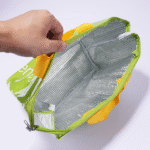
Use embalagens adequadas: Recipientes de espuma isolados, sacos selados a vácuo e pacotes de gel mantêm a temperatura.
Monitorar umidade: A umidade equilibrada evita murchamento e condensação. Películas respiráveis permitem a troca gasosa enquanto retêm a umidade.
Instale sensores: Os registradores IoT fornecem dados contínuos e alertam os operadores sobre desvios.
Planeje carga e descarga: Transferências rápidas minimizam a exposição às temperaturas ambientes.
Tenha energia reserva: Geradores ou sistemas de bateria mantêm a refrigeração funcionando durante interrupções.
Colabore com fornecedores: Construa relacionamentos de longo prazo e compartilhe recursos para negociar melhores preços.
Implementar inventário just in time: Ajustar os níveis de estoque com base nas previsões de demanda para reduzir custos de armazenamento e desperdício.
Use previsão de demanda alimentada por IA: Algoritmos de aprendizado de máquina podem reduzir rupturas e excesso de estoque, reduzindo os custos logísticos em mais de 34 %.
Adote energia renovável: Refrigeração solar e veículos elétricos reduzem despesas operacionais de longo prazo.
Estudo de caso: Uma cooperativa europeia de vegetais orgânicos introduziu otimização de rotas de IA e sensores IoT em sua rede de distribuição. Consolidando entregas e monitorando a temperatura em tempo real, a cooperativa reduziu o consumo de combustível em 20 %, reduziu as taxas de deterioração em 15 % e reduzir os custos gerais de logística em 18 %. Estas poupanças permitiram ao grupo reduzir os preços de retalho e atrair novos clientes.
2025 Últimos Desenvolvimentos e Tendências
Iniciativas e protocolos da indústria
Em julho 2025 a Aliança Global da Cadeia de Frio (GCCA) e o Instituto Americano de Alimentos Congelados (AFI) lançou um novo protocolo padronizar o monitoramento da temperatura em toda a cadeia de abastecimento de alimentos congelados. O protocolo fornece um sistema unificado, abordagem baseada em dados para rastrear flutuações de temperatura desde a produção até a distribuição. Visa melhorar a eficiência operacional, melhorar a segurança alimentar e reduzir o uso de energia e as emissões de gases de efeito estufa.
Dr.. Sanjay Gummalla, da AFFI, observa que o estabelecimento de uma estrutura comum para monitorar as variações de temperatura estabelece as bases para um futuro mais sustentável. Os principais recursos incluem a identificação de pontos críticos de monitoramento, melhores práticas para coleta de dados e estabelecimento de medidas de linha de base para melhorias futuras. Os benefícios da indústria incluem melhor compreensão das variações, abordar desvios e apoiar iniciativas para otimizar o consumo de energia.
Tecnologias emergentes
A cadeia de frio está adotando ferramentas de ponta:
Protocolos de monitoramento unificados: A coleta padronizada de dados garante que os desvios de temperatura sejam resolvidos prontamente.
Microrredes de energia renovável: Instalações de armazenamento frigorífico integram energia solar, sistemas eólicos e de baterias para reduzir emissões e melhorar a resiliência.
Veículos comerciais leves (VCLs): O crescimento dos VCL refrigerados oferece eficiência de combustível, transporte de baixo custo para entregas de última milha.
Automação e robótica: As colheitadeiras robóticas e as linhas de embalagem automatizadas reduzem os custos de mão de obra e garantem uma qualidade consistente, preparando produtos para a cadeia de frio.
Microcentros de atendimento: Esses pequenos armazéns urbanos encurtam as distâncias de entrega e mantêm a integridade da temperatura.
Pressão regulatória: Leis como a da Califórnia SB 1383 exigir um 75 % redução de resíduos orgânicos, incentivando os varejistas a investir em armazenamento em atmosfera controlada e sensores avançados.
Perguntas frequentes
Q1: Por que a cadeia de frio é importante para os vegetais biológicos?
Manter a temperatura e a umidade evita a deterioração e a perda de nutrientes. Sem refrigeração, até 40 % de vegetais biológicos podem estragar durante o transporte. Práticas adequadas da cadeia de frio garantem a qualidade, reduzir o desperdício e melhorar a segurança alimentar.
Q2: Como os pequenos agricultores podem pagar pela tecnologia da cadeia de frio?
Pequenos agricultores podem formar cooperativas para compartilhar certificação, custos de armazenamento e transporte. As plataformas de marketing direto e os mercados comunitários aumentam os lucros em 25–30 %, enquanto as câmaras frigoríficas alimentadas por energia solar e os subsídios reduzem a barreira à entrada.
Q3: O que são faixas de temperatura e por que são importantes?
As faixas de temperatura agrupam os vegetais de acordo com suas temperaturas ideais de armazenamento. A pista A permanece perto de greens gelados em 0–2ºC, A pista B mantém os itens sensíveis ao frio em ≥10 °C e a pista C serve como uma zona de compromisso. Usar a pista errada leva à desidratação ou lesões por frio.
Q4: Como o controle de umidade afeta os vegetais orgânicos?
A umidade é a alavanca oculta; vegetais frescos precisam 90–95 % umidade relativa e folhas verdes requerem 95–100 %. Muito seco causa murchamento; muito molhado causa lodo. A umidade equilibrada garante crocância e evita mofo.
Q5: Quais tecnologias reduzem os custos da cadeia de frio?
Otimização de rotas de IA, blockchain, Sensores de IoT, refrigeração movida a energia solar e embalagens sustentáveis reduzem custos e desperdícios. O planejamento de rotas com IA pode reduzir custos logísticos 34 %, enquanto a refrigeração solar reduz as contas de energia.
Resumo e recomendações
Takeaways -chave: O transporte moderno de vegetais biológicos mantém os produtos orgânicos frescos usando faixas de temperatura precisas, controle de umidade e monitoramento digital. Os direcionadores de custos incluem taxas de certificação, logística fragmentada e equipamentos com uso intensivo de energia, mas soluções tecnológicas como IA, blockchain, A IoT e a energia renovável podem reduzir custos em mais de 30 %. Definir padrões de qualidade e faixas de temperatura claros evita falhas comuns como desidratação, condensação e hematomas. O mercado global da cadeia de frio está em rápida expansão, criando oportunidades de investimento e inovação. Sustentabilidade é uma prioridade: operações com eficiência energética e refrigerantes naturais reduzem as emissões e cumprem regulamentações mais rigorosas.
Plano de ação:
Avalie sua cadeia de frio atual: mapeie cada etapa, monitorar a deterioração e avaliar o uso de energia.
Implemente IA e IoT: adotar otimização de rota, previsão de demanda e monitoramento em tempo real.
Crie faixas de temperatura: separar itens sensíveis ao frio de produtos quase congelados e aplicar padrões de umidade.
Invista em energia renovável: instalar refrigeração solar e usar veículos elétricos ou híbridos.
Colabore e defenda: formar cooperativas, fazer parceria com fornecedores de logística e fazer lobby por subsídios e políticas de apoio.
Seguindo estas etapas, você pode reduzir o desperdício, reduzir custos e entregar produtos mais frescos, produtos orgânicos mais seguros para seus clientes.
Sobre Tempk
Quem somos: A Tempk é líder global em tecnologia de cadeia de frio. Desenvolvemos equipamentos de refrigeração energeticamente eficientes, Sistemas de monitoramento de IoT e software de cadeia de suprimentos habilitados para IA para manter produtos perecíveis seguros da fazenda até a mesa. Nossas inovações ajudam os agricultores, distribuidores e varejistas reduzem o desperdício, reduzir custos operacionais e atender a regulamentações ambientais rigorosas.
Chamado à ação: Para otimizar sua cadeia de frio de biovegetais, consulte a Tempk. Nossos especialistas podem projetar soluções personalizadas – desde armazenamento refrigerado alimentado por energia solar até otimização de rotas por IA – que tornam os vegetais orgânicos e biológicos mais acessíveis e acessíveis.